When life gets busy, annual HOA meetings can feel like another date to squeeze in. They still matter. The board, the budget, and the plan for the year often get set in that room.
Why Annual HOA Meetings Matter

Annual HOA meetings are the HOA’s main check-in with all owners. Elections often happen here, along with votes that need owner approval. A quick look at money also tends to be part of the night.
Trust gets built in small moments. Clear updates and fair voting can cut down on gossip and repeat complaints. Over time, that clarity makes daily work easier.
Inside the Agenda
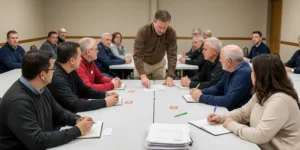
A solid agenda keeps the meeting moving. It also helps everyone know what to expect. Many HOAs follow a simple order: start the meeting, share reports, hold elections, take questions, and wrap up.
Your bylaws may set a needed flow. That document should guide the outline and timing.
Reports That Frame the Meeting
Board and manager reports usually come early. They give background for the rest of the talk. The treasurer may cover cash on hand, reserve savings, late accounts, and budget trends.
Recent repairs and vendor work can be mentioned as well. Owners often ask where dues went. Short, direct answers help.
Committee updates can add value, but short is better. Landscaping, pool, or design review groups can share key points without turning the meeting into a long show. Time saved here leaves room for the items that need a vote.
Elections and Major Votes
For many boards, elections are the biggest item at annual HOA meetings. Names of people running may be read. Basic rules may be reviewed, and the voting steps should be explained in plain terms.
When secret ballots are needed, the process should be stated before voting starts. A clear script can keep the room calm. The same steps should be used for every ballot.
Other votes may appear on the agenda, too. Bylaw changes, special assessments, and major rule updates often need owner approval. Those topics go better when the background is brief and the choice is clear.
A short preview of common agenda items can set the tone:
- Approval of prior meeting minutes
- Financial report and budget update
- Board election or director seating
- Owner questions and open forum
- Updates and next steps
How Rules Shape the Meeting

An annual meeting is not an open-ended chat. Governing papers and state laws set the limits. Basic meeting rules also apply, even in a small room.
That structure protects owners. It also keeps the vote clean and the record clear.
Notice and Timing
Notice is often the first test. Many bylaws set a minimum number of days. They also name the allowed ways to send it.
Mail, email, posting, or a mix may be needed. The plan should match what your documents permit. Earlier notice gives owners time to read the agenda, review people running, and show up.
Late notice can force a new date. That can happen even when the board acted in good faith. A simple calendar reminder can prevent the problem.
Quorum and Proxies
Quorum is the minimum turnout needed to run official business. Without it, elections and votes can stall. Stress tends to rise fast when that happens.
A clear note at the start can help owners see why attendance matters. Proxies can help when turnout is low, but proxy rules differ from one HOA to the next.
Some HOAs allow directed proxies that tell the proxy-holder how to vote. Other HOAs limit proxies or ban them for certain votes. The same rule should be applied to every form to avoid disputes.
Voting That Feels Fair
Voting should feel simple. Clear steps, visible deadlines, and a steady count can lower stress in the room. Confidence tends to rise when an outside party handles ballots.
Close results can still spark pushback. Written rules, followed the same way each time, carry more weight than a speech at the microphone. A clean record of the count also helps later.
Annual HOA meetings often include more than one vote. Each vote deserves its own short note. That clarity reduces mix-ups and helps owners stay involved.
Owner Input Without the Heat

A meeting can be friendly and still stay on track. Ground rules at the start can protect the talk without shutting people down. Time limits and respectful language usually cover most issues.
Open forum brings the most energy. Questions may cover parking, noise, repairs, or rule checks. Those topics deserve attention, yet they also need guardrails.
Many boards gather questions ahead of time. Themes can be grouped during the meeting. A short answer, plus a clear next step, often works best.
In the moment, listening matters. Owners often soften when they feel heard. Promises can backfire when they cannot be kept, so follow-up plans matter more than quick fixes.
Getting Ready Before Meeting Night

Prep shapes the tone long before the first owner signs in. A clean notice packet, a real agenda, and clear ballots can prevent mix-ups later. Plenty of communities call these yearly HOA meetings, yet the goal stays the same: a steady process that owners can trust.
Candidate info should be easy to read. A short bio and a brief statement can be shared ahead of time when allowed. A clear note on who can run also helps.
Logistics matter more than people think. A room with good sound, clear seating, and a check-in table helps the meeting start on time. For virtual or hybrid meetings, simple tech steps and a back-up plan can save the night.
Annual HOA meetings also benefit from a calm finish. A recap of decisions, a short list of next actions, and a note on when minutes will be shared can prevent mix-ups. Even small details, like repeating the next meeting date, can reduce follow-up emails.
Meeting Momentum
Annual HOA meetings work best when they feel routine instead of stressful. Clear rules and solid prep can turn one night into a smoother year. A little structure now can save hours later.
Related Articles: